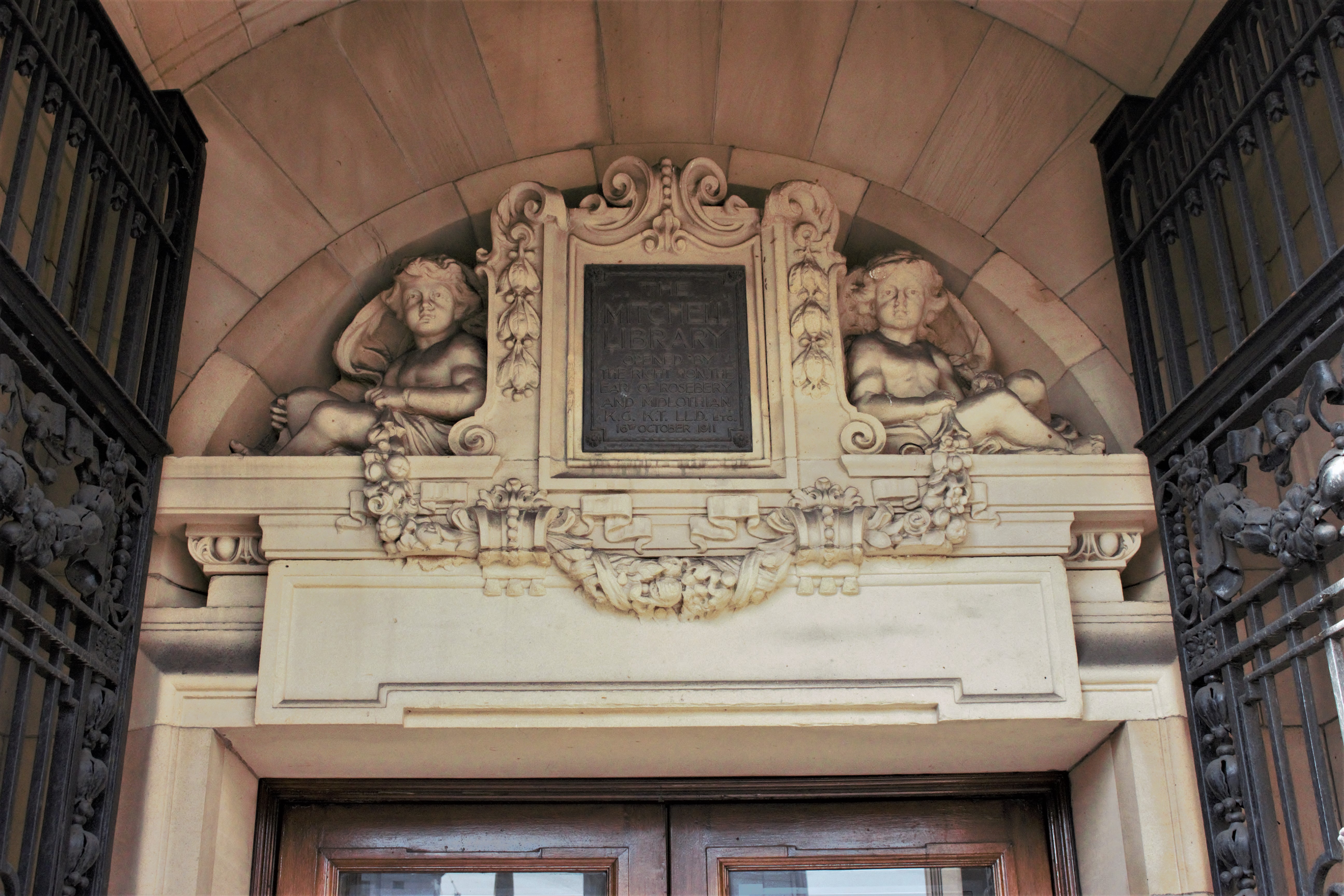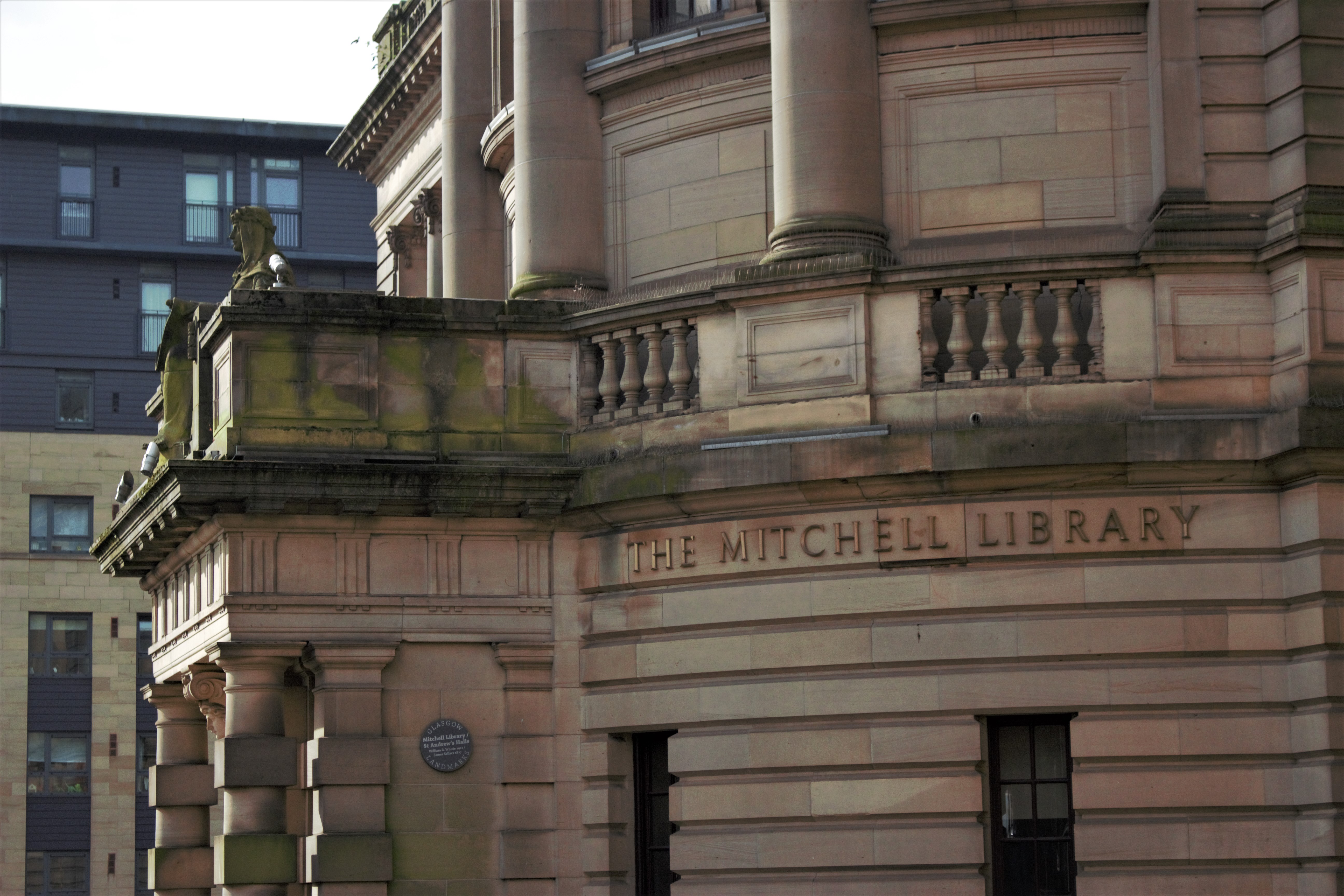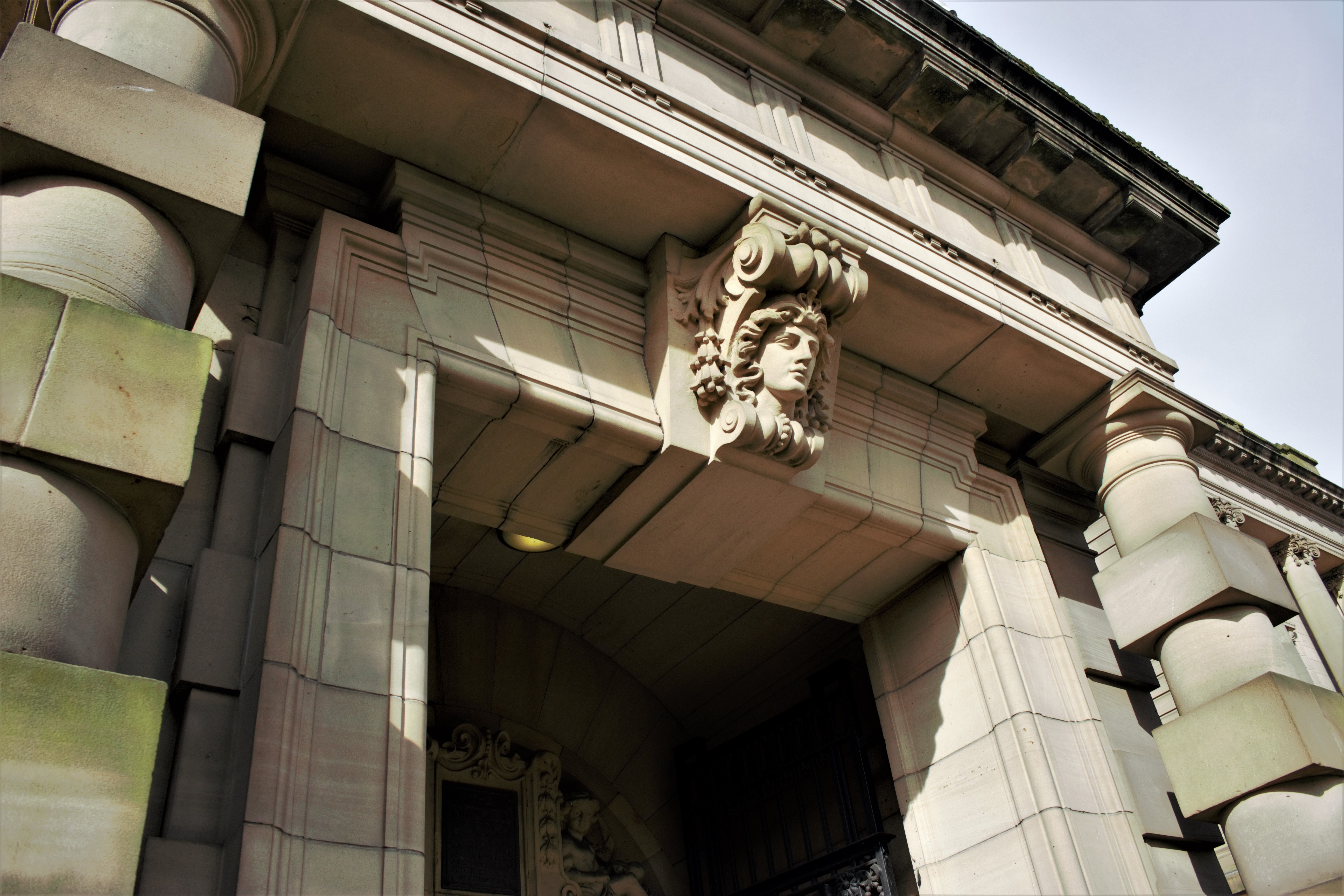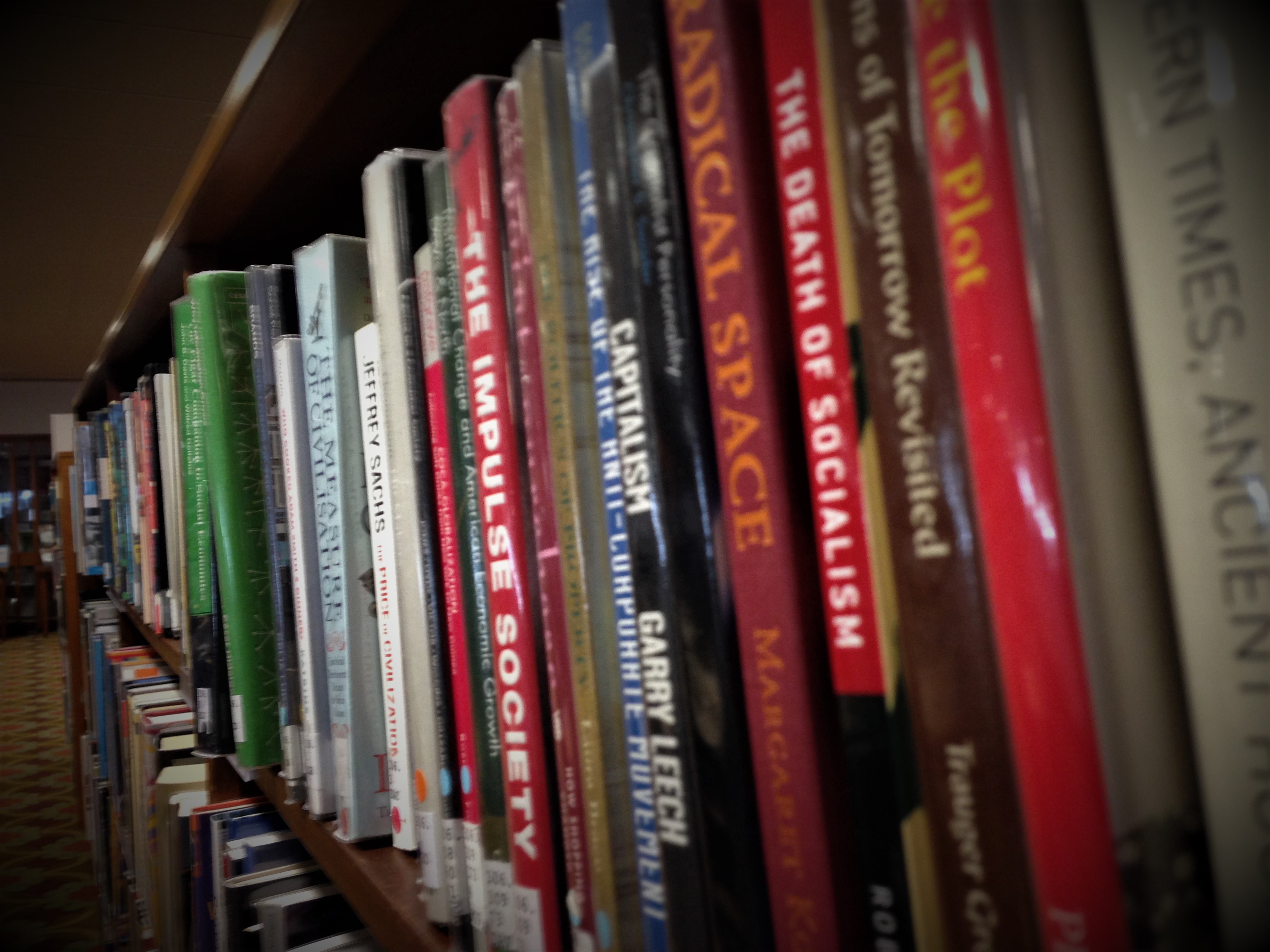

It’s the largest public library in Europe, a repository of knowledge, home to a remarkable collection that started with a bequest from Stephen Mitchell, a tobacco baron, in 1874. It now totals over a million books. The foundation stone was laid by Andrew Carnegie, whose own legacy includes the creation of just over 2,500 around the world.
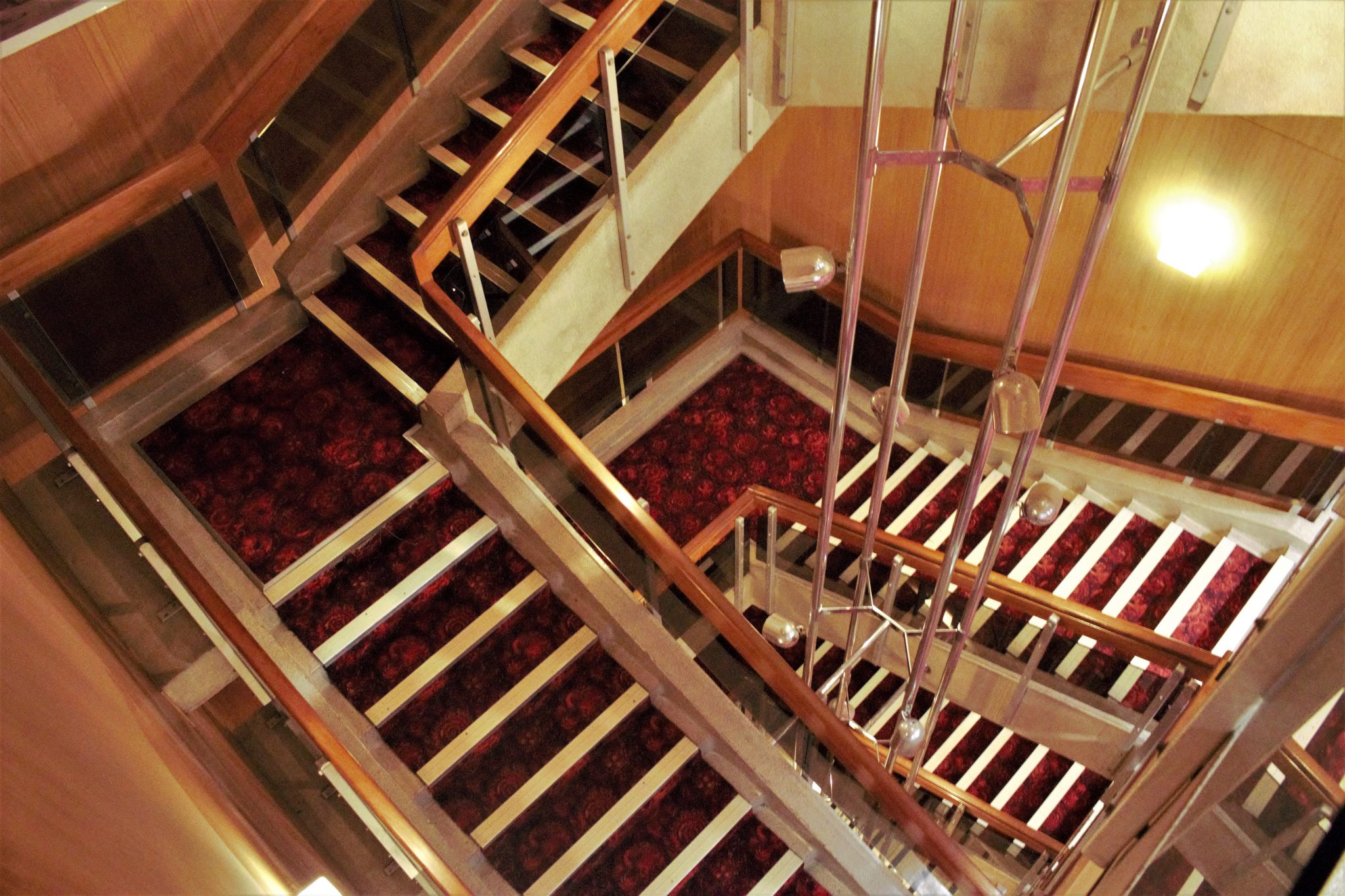
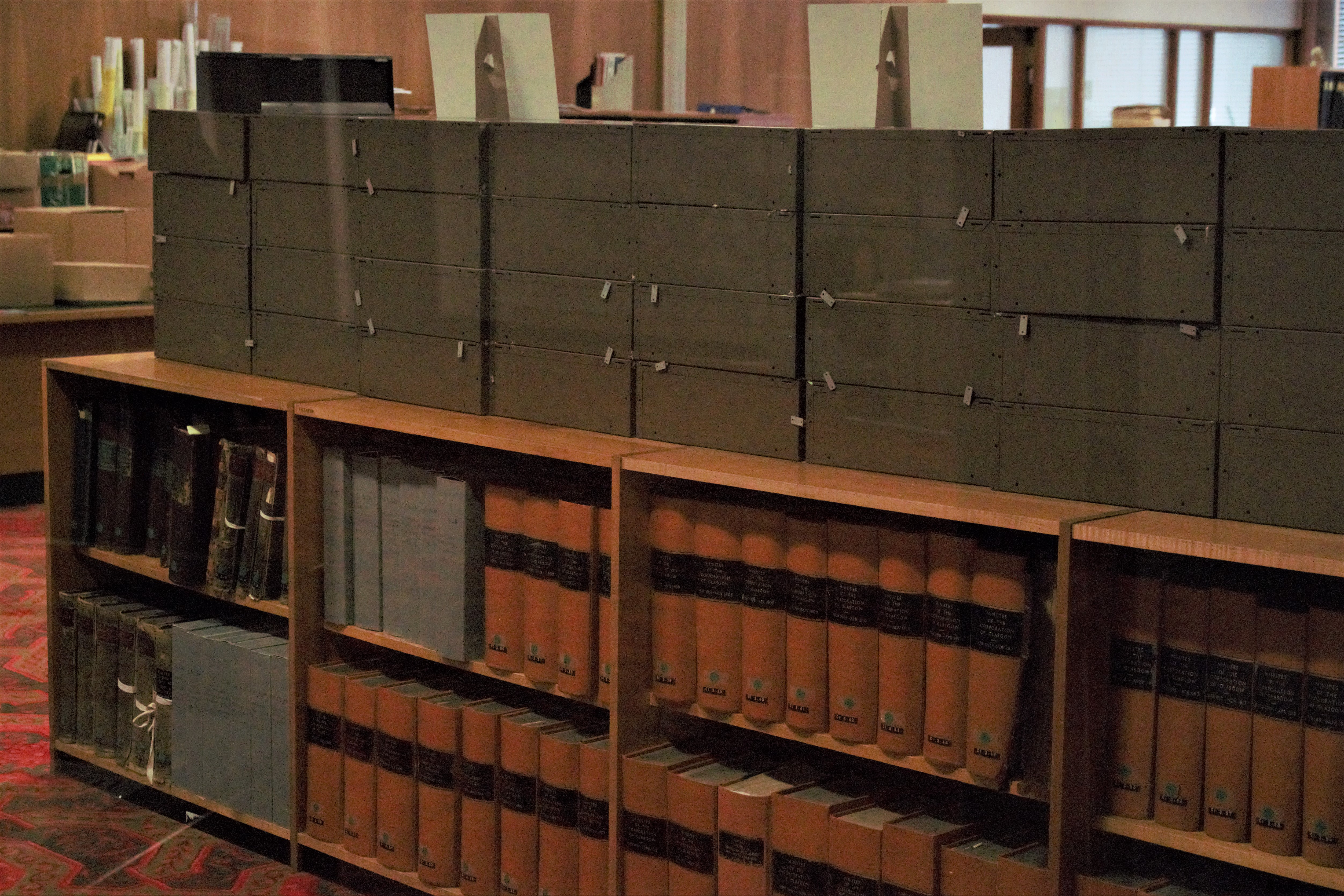
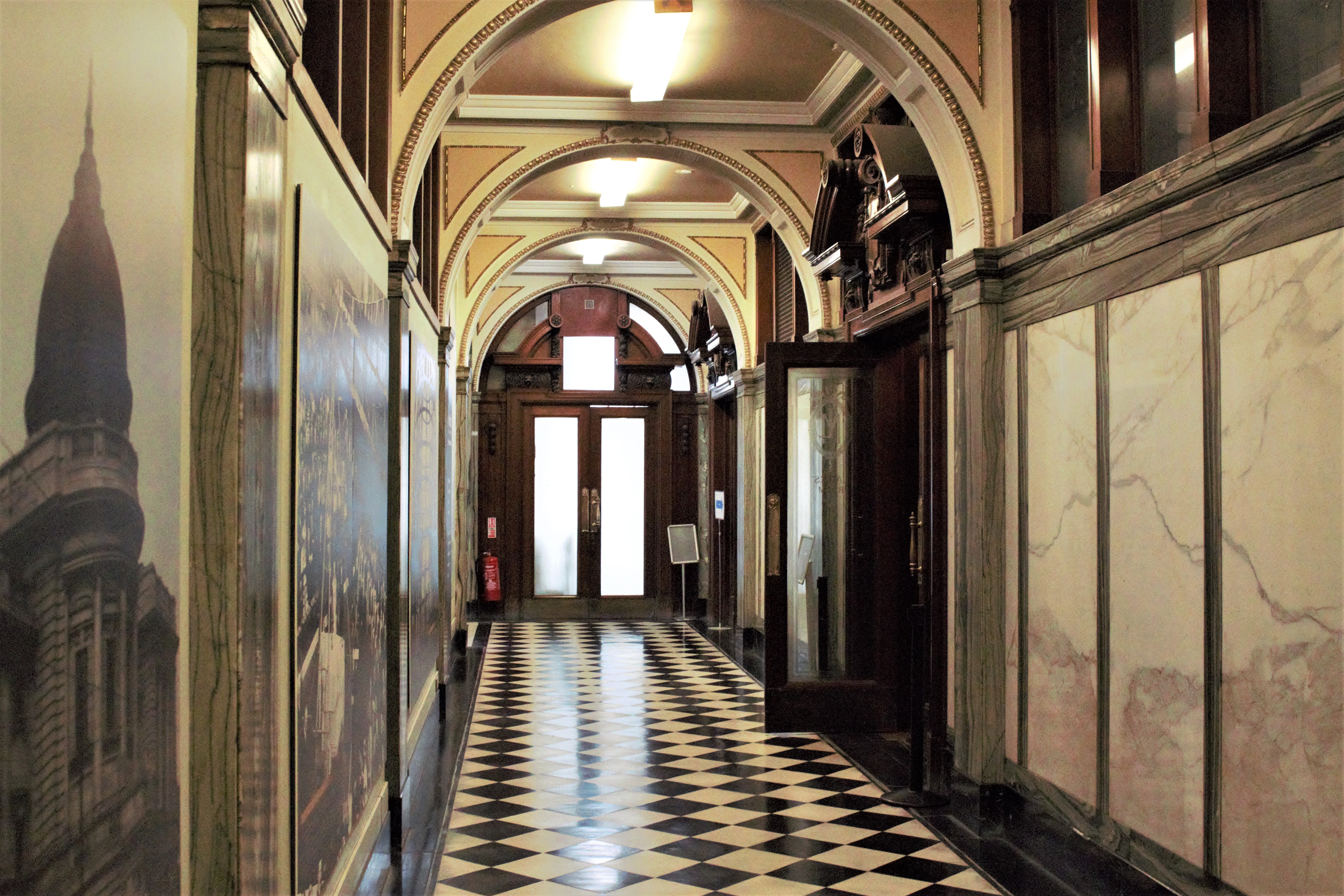
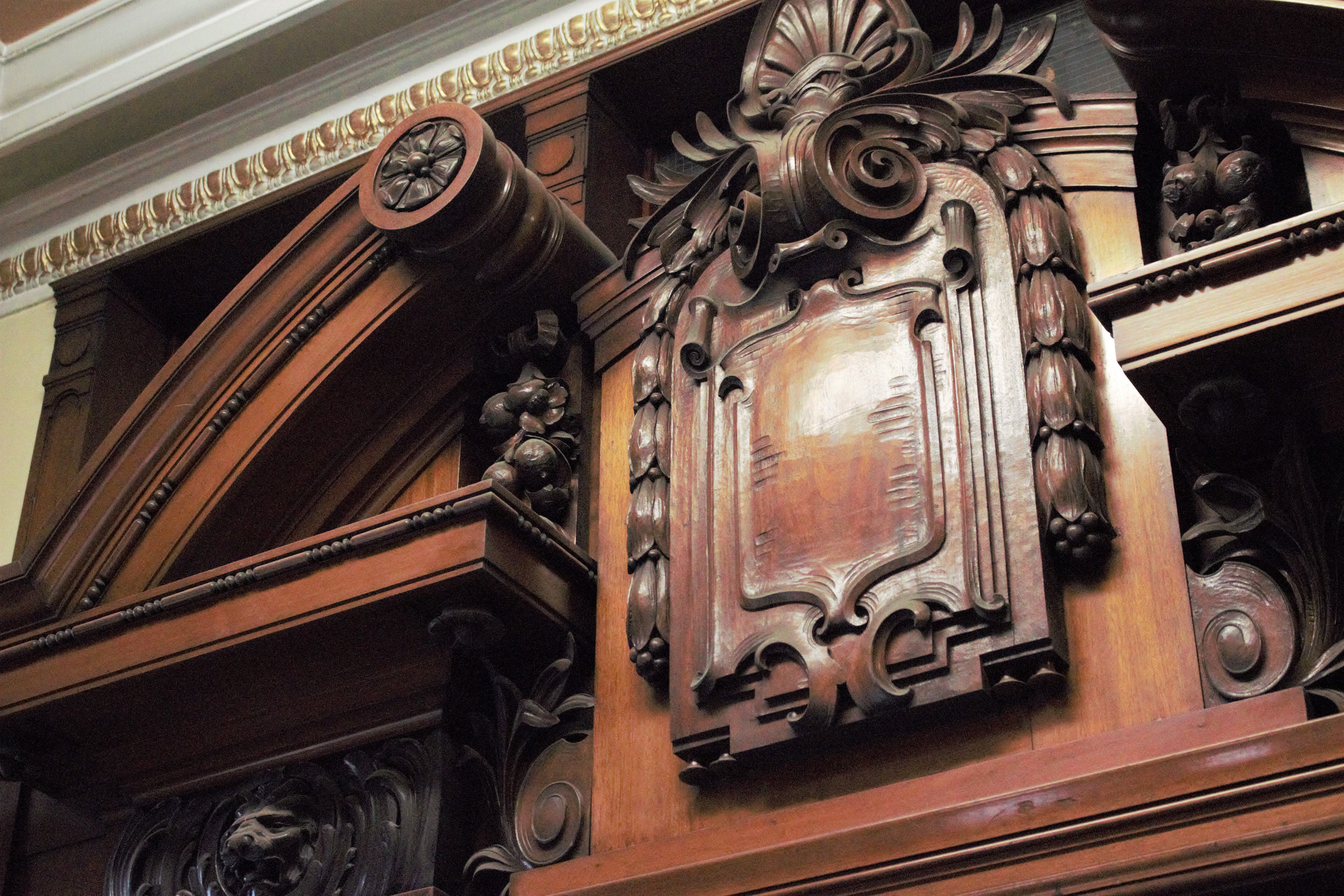
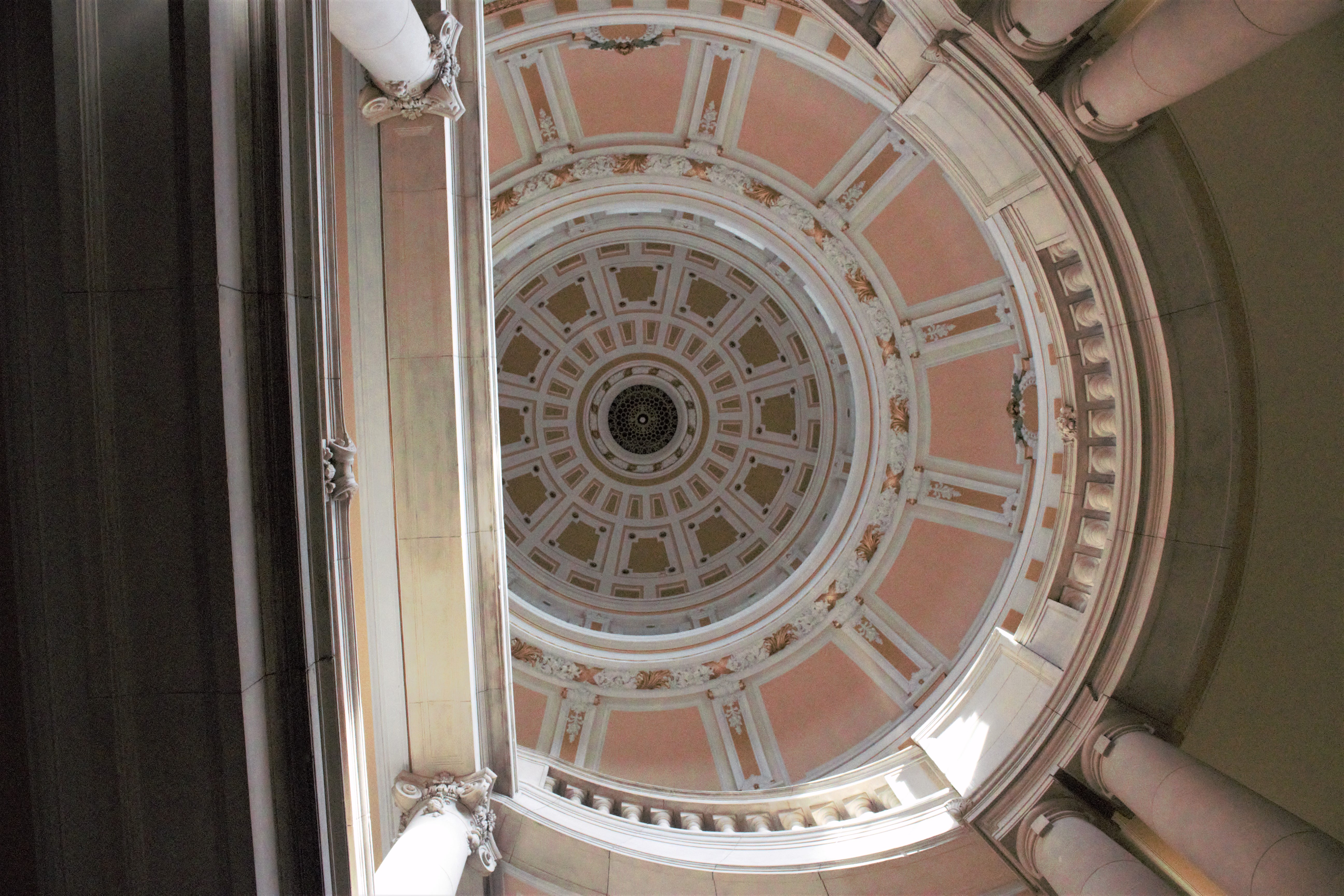
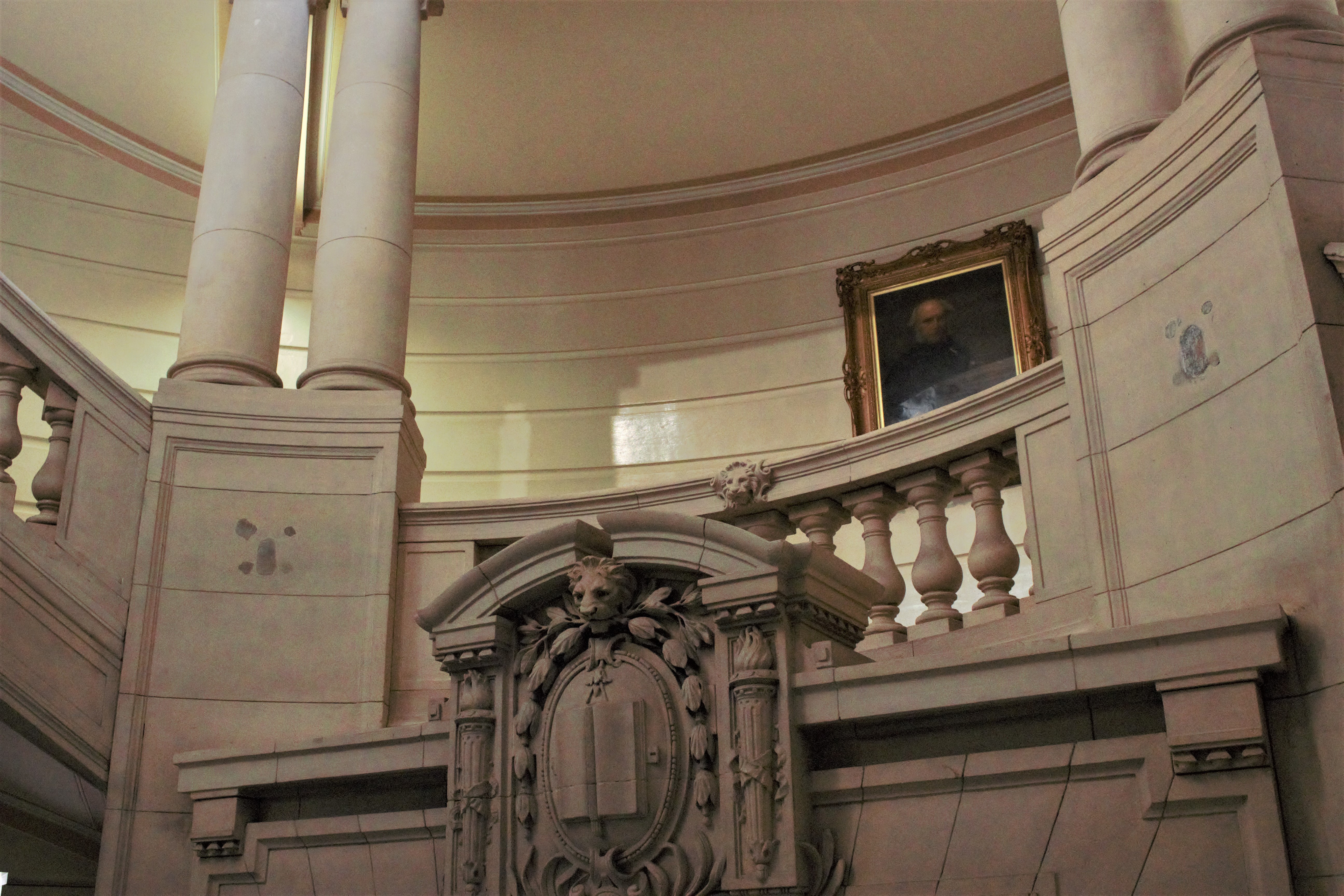
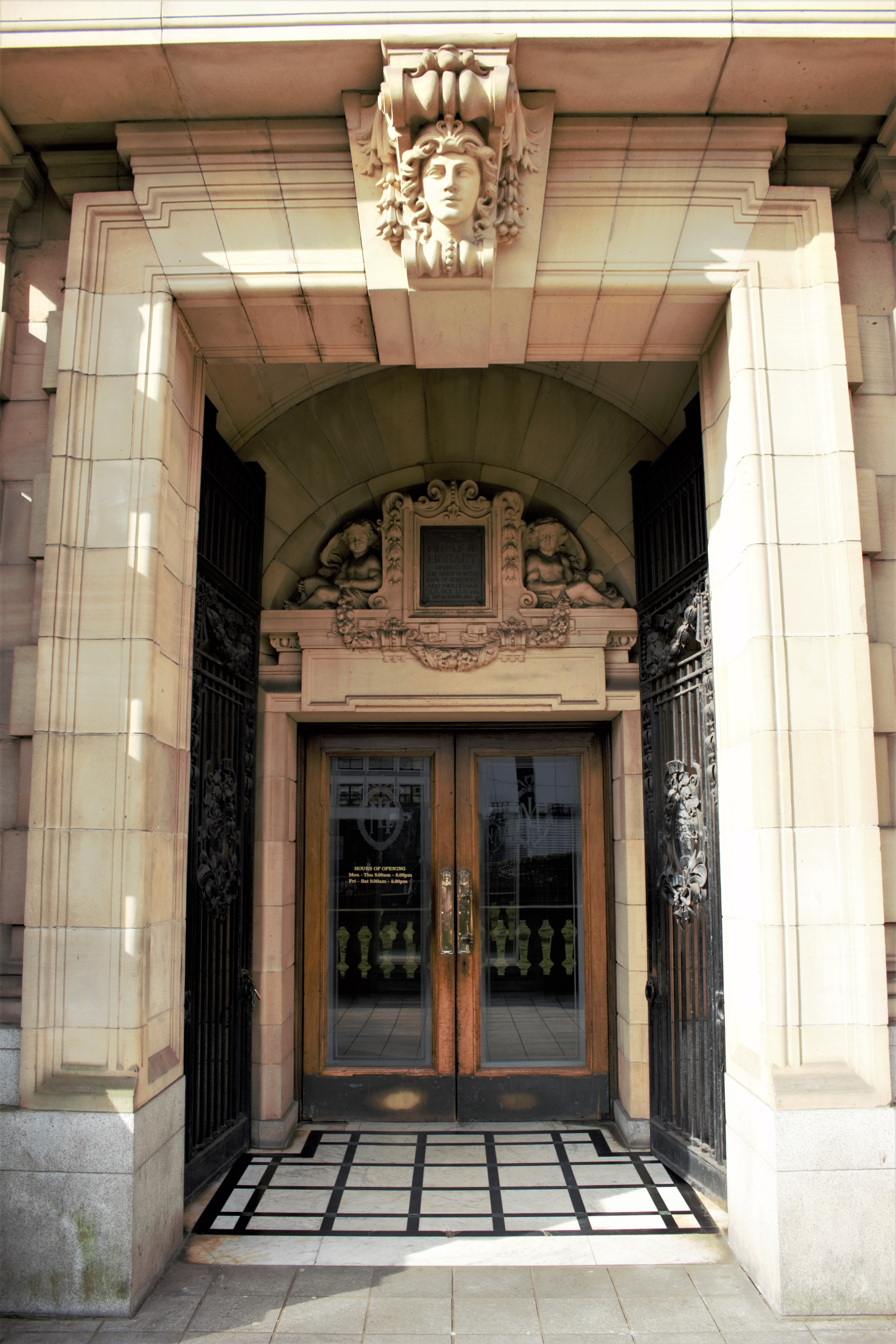
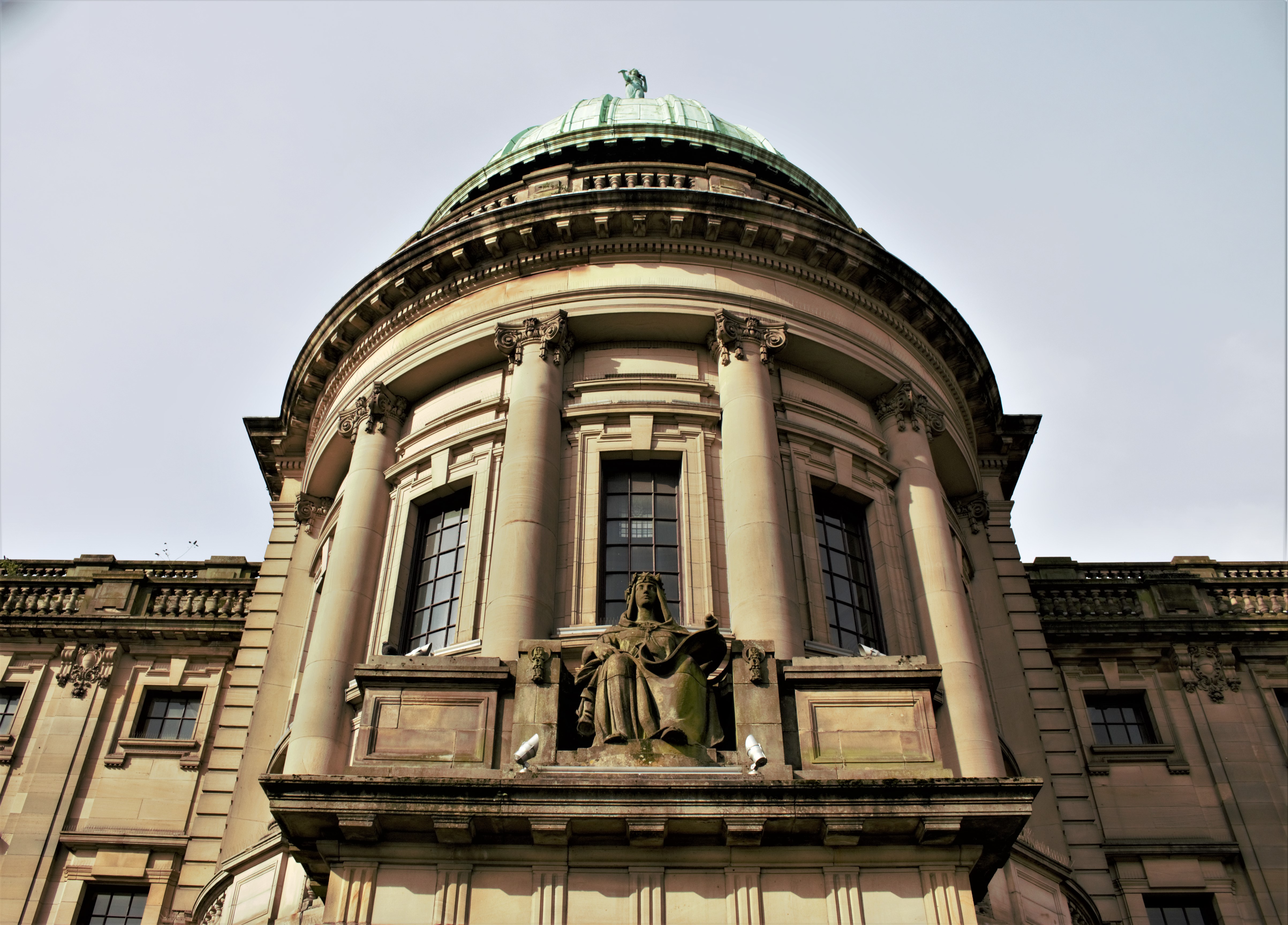
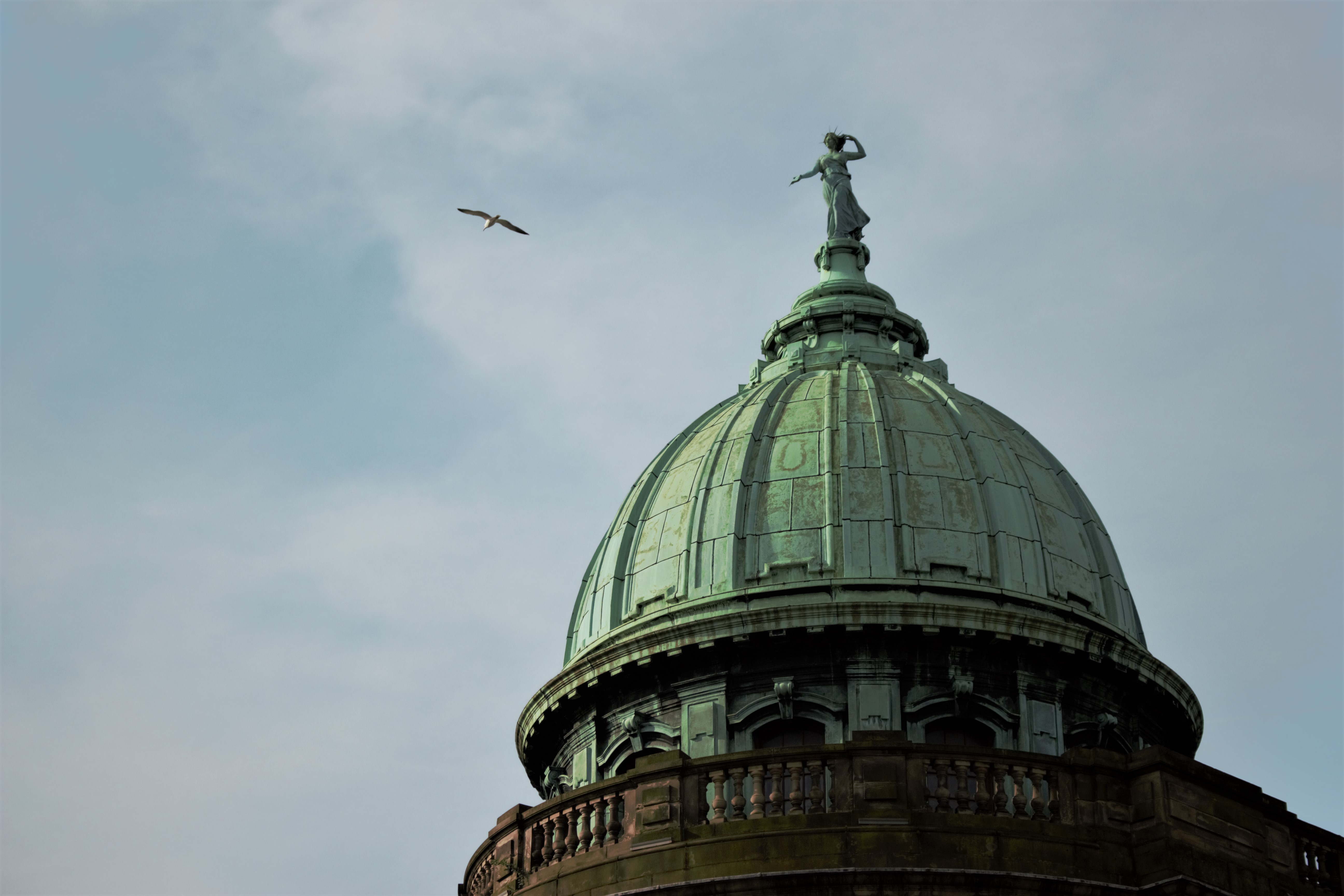
The Mitchell is most recognisable from the North Street entrance, an imposing facade with a copper dome, topped with a statue called ‘Literature’ facing out over the M8. Inside, there’s the mix of Victorian era grandeur, garish carpets for extension work in the 1970s and 1980s, modern open spaces, rows upon rows of books on in wooden cases and a maze of corridors.
It’s a building with a strong sense of purpose.
Even in the digital era, libraries still have their place and The Mitchell is one of the most loved buildings in the city.
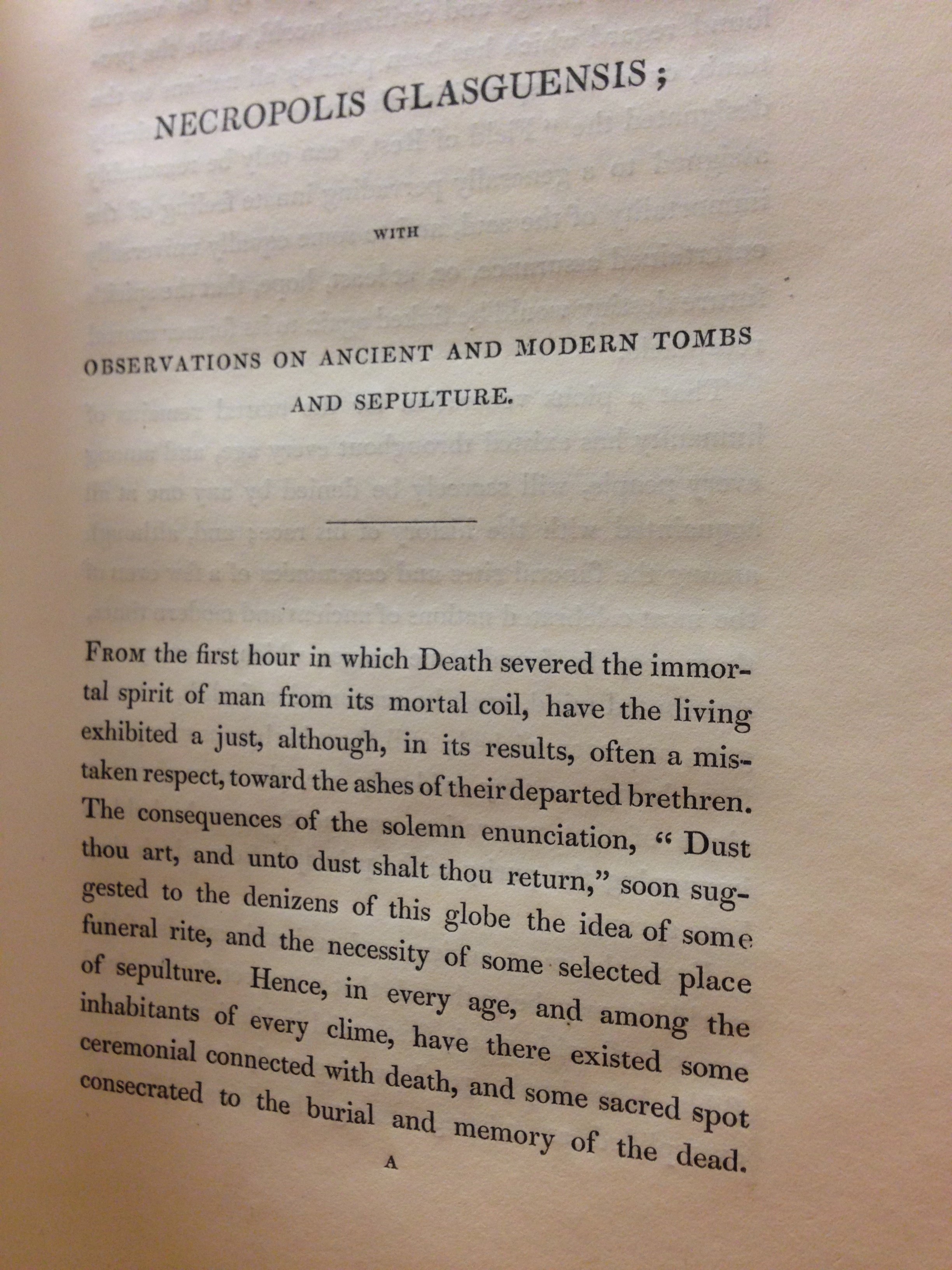
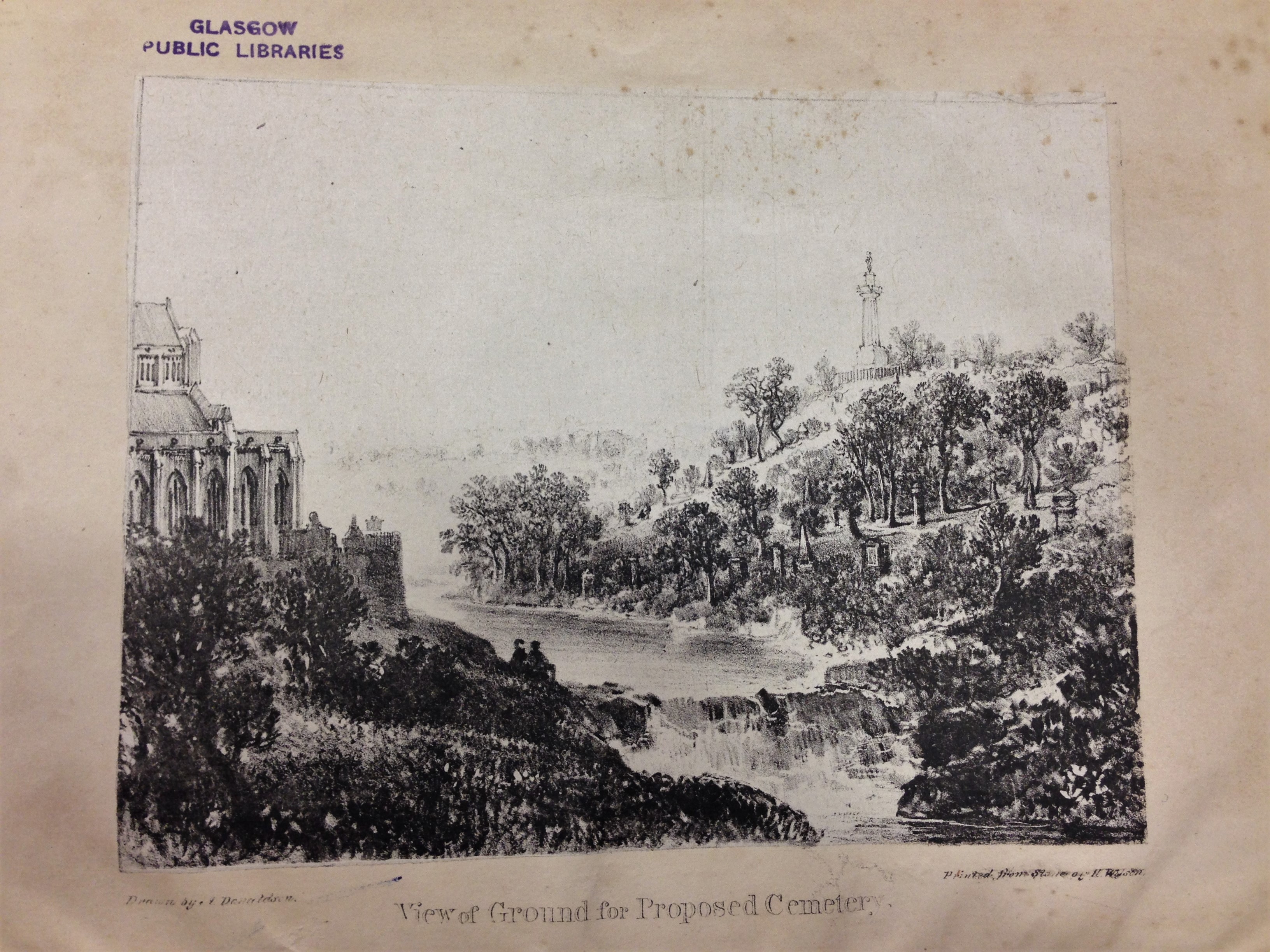
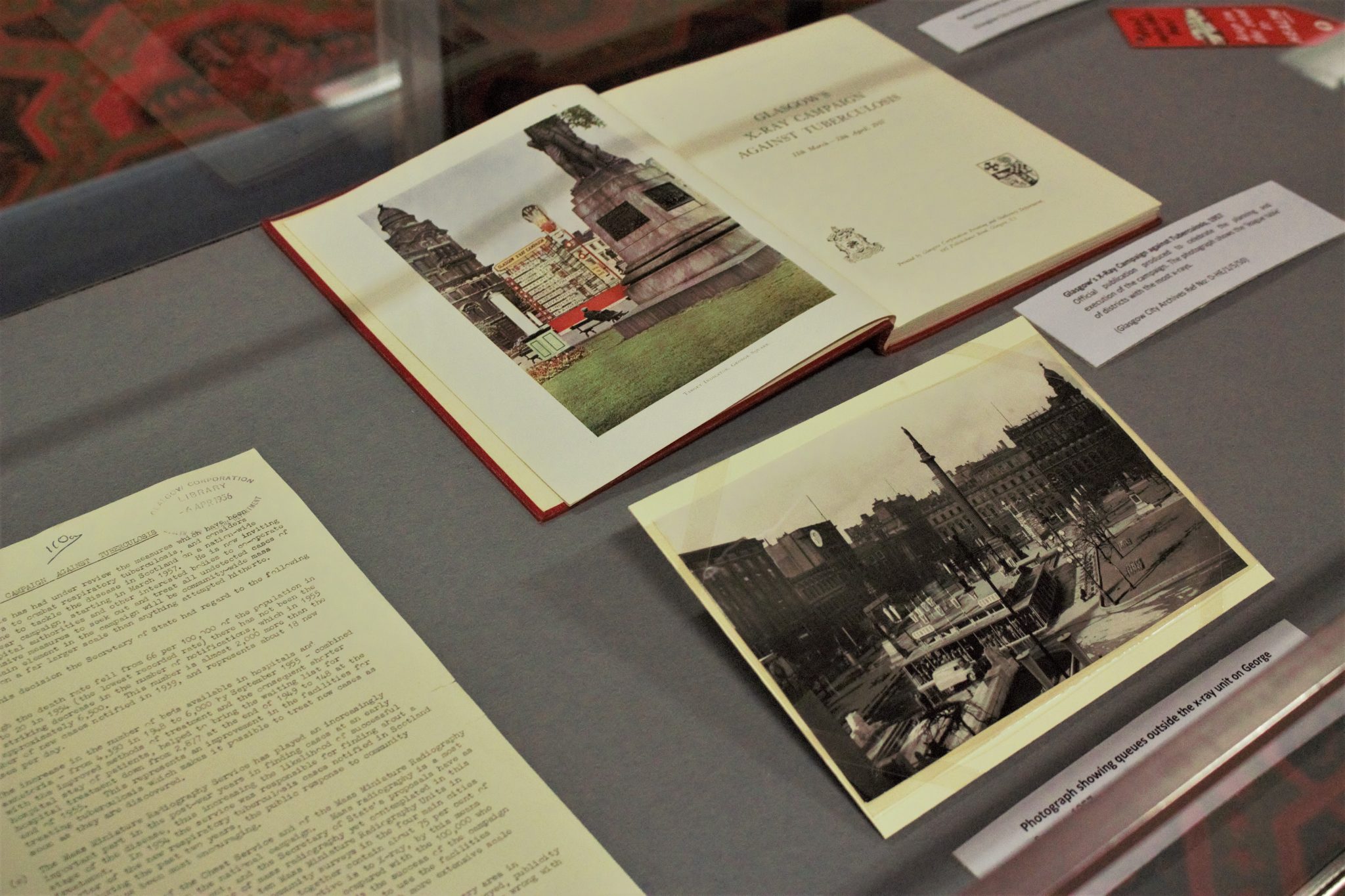
A resource for students, academics or casual researchers, there are large collections of documents relating to the poet Robert Burns, Sir Thomas Lipton who made his fortune selling tea and engineer Henry Dyer.
It’s also a place for quiet moments away from the distractions of the outside world.
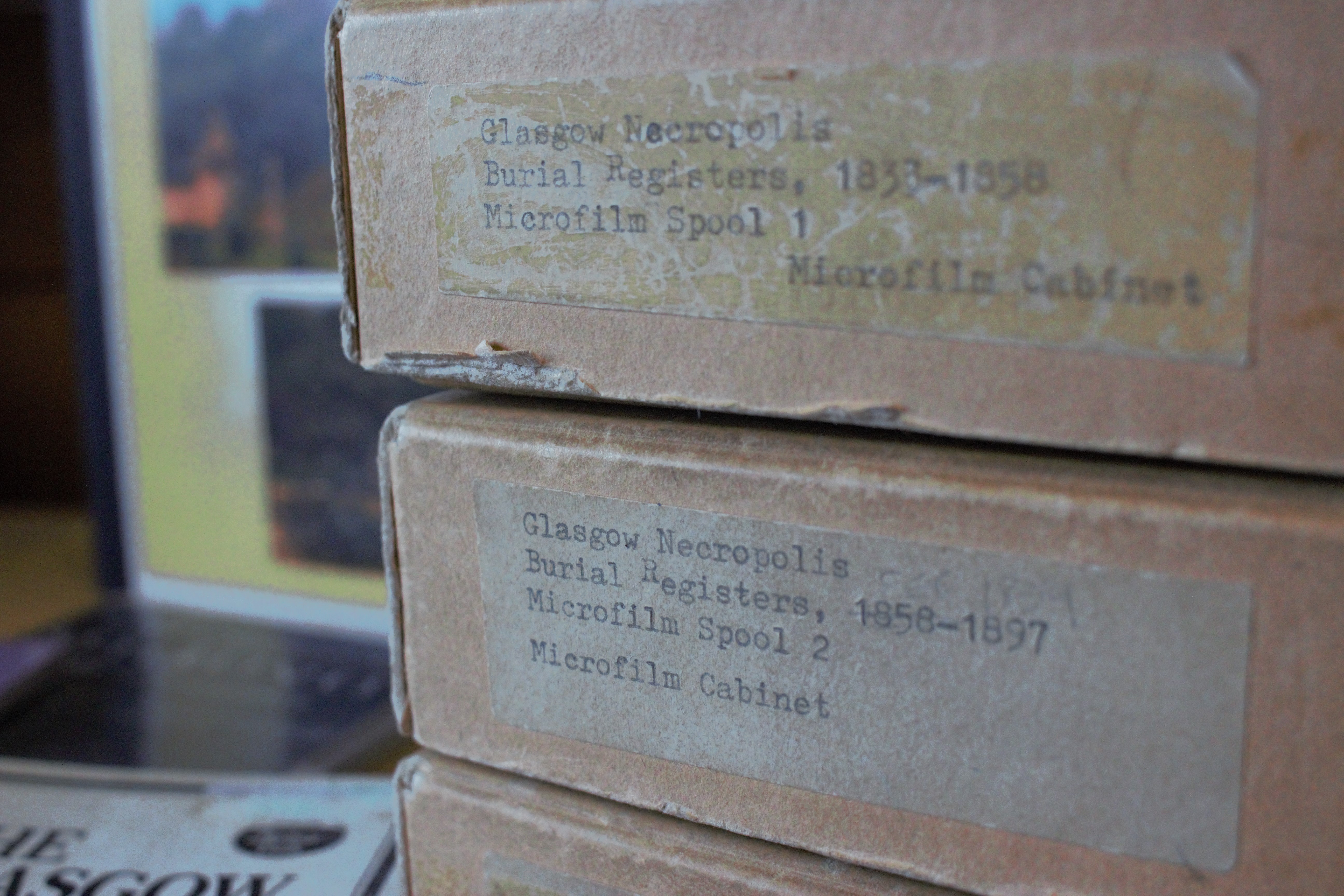
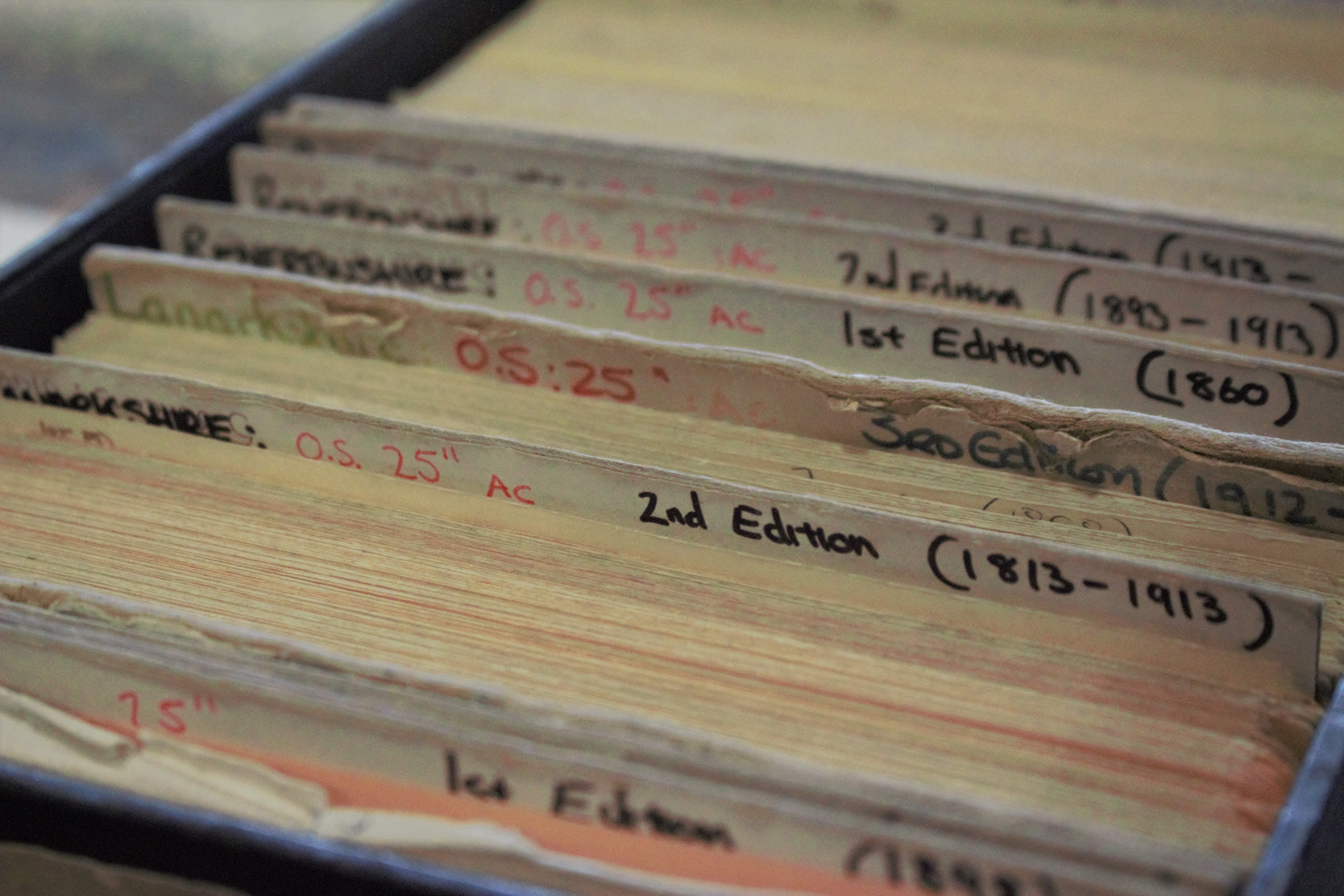
The Glasgow archives offer a valuable insight into life in the city over the generations. If people make Glasgow, then this is where their stories live on.
Photo Essay by Paul Gallagher for Glasgowist.