

In 2015, Big Gold Dream, a documentary tracking Scottish indie labels – Postcard Records in Glasgow and Fast Product in Edinburgh – explored the Scottish independent music scene with contributions from Bob Last, Alan McGee, Peter Hook, Eugene Kelly, Norman Blake, Martyn Ware, Malcom Ross, Douglas Hart and Davey Henderson.
Now, the second installment of that “Sound of Young Scotland” series, titled Teenage Superstar, is gearing up for release. The new documentary focuses on Glasgow in the 1980s and includes interviews with some of the people behind Creation Records, Teenage Fanclub, BMX Bandits, The Jesus and Mary Chain, The Pastels, The Soup Dragons and Primal Scream.
Watch the trailer below.
To complete the project, the film’s creators have launched a crowdfunding campaign which is now in its final week. You can get involved here.
To find out more, we spoke to producer Erik Sandberg
Can you tell me who’s involved in the production? What’s the team?
The team is under the umbrella of our directors. Digital Onset is headed up by Grant McPhee, our director. I’m co-producer, and I work with Wendy Gryphon, who is our producer. So, it’s basically the core three of us, really, that are working on this project. We worked together on Big Gold Dream.
When you were working on Big Gold Dream, was the idea to make a series of documentaries?
Not really. We originally wanted to make a film about Postcard Records, but whilst we were making the film, assimilating content, what happened was that we ended up with so much content that we worked out that we had enough material and stories for two or three films.
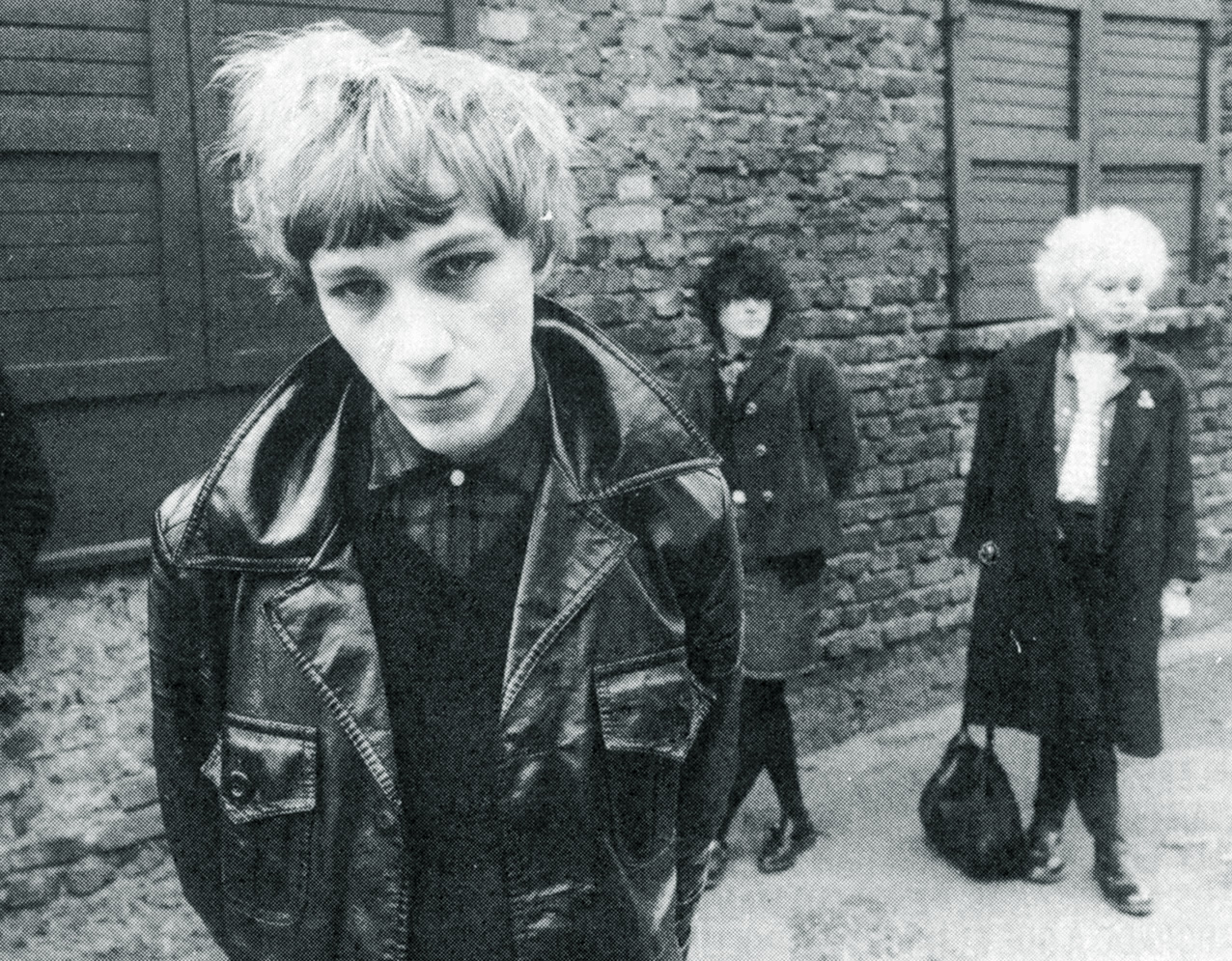
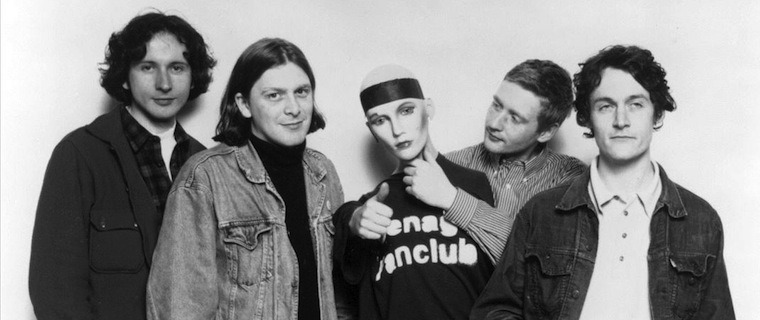
Teenage Superstars centres around Teenage Fanclub, The Pastels, and the Mary Chain. At one time, they couldn’t get hold of Postcard Records, and because Alan Horne is so communities-based, he’s so hermetic, if you like, we couldn’t really do a Postcard-focused film, so that’s how Big Gold Dream became more about the music scene and Fast Product in Edinburgh.
Interviewing people like Eugene Kelly about Postcard and Teenage Fanclub, as well. That’s how it segued from Big Gold Dream into Teenage Superstars.
When you went into Big Gold Dream, how much did you know about that period? Once you started digging, was it like unravelling threads, and all these other stories appeared?
That’s a good question, because I learned a lot in all the interviews I did, and old archives that we sourced. When you do interviews, people tell you about other bands that they’ve heard of, and you end up interviewing them. Then, you end up meeting a guy or a woman who knows of someone who’s got some archive that they can fill-in all the gaps and kind of add to it. It did kind of unravel, it was a real learning process. Not just me. Grant, as well, has admitted in previous interviews that he also learned a lot. It really was quite fascinating.
I thought I was more a Postcard aficionado, but now I’m a massive fan of Scars, who were a big focus of Big Gold Dream. I’d never even heard of Scars. It’s a big learning process, but an enjoyable one.
In terms of what your hopes are for Teenage Superstars, what do you need from people at the moment?
Yeah, they’ve got a crowdfund running at the moment. We’re at £4,500, and that’s really amazing. We’ve got 6 days to go but, we’re pretty confident we’ll reach our target. These things usually pick up in the last week. We’ve got a lot of different perks on offer.
How much do you rely on people who were there at the time – the bands, and the management, and the promoters, and that kind of thing – to get the real story on what happened?
I’d say the films are made up of probably 80% new content. There has been a massive reliance on getting musicians to take a couple of hours out of their day to actually do interviews.
The reason why Big Gold Dream became more about Fast Product, was because Alan Horne [from Postcard], didn’t agree to an interview. We really need the key players to agree to be interviewed, otherwise your just kind of telling a false story and we don’t want to do that, we want to convey a positive message about that scene, and the environment, and the people that were full-throttle involved in the goings on.
I suppose part of the great content that is out there is people who were … As you said earlier, there are these people who have these one little story that they’ve probably been telling for the last 20 years. But, to get them on camera to tell their story, is a great part of what you can document.
Yeah, you get these great, little anecdotes which probably have forever remained in pubs in Edinburgh and Glasgow, and then getting them on camera gives the films a bit of a light bit in the middle, you know. They are really important, and there was a lot of that in Big Gold Dream.
I think Teenage Superstars, you’ll see, as a film it’s … We’re kind of aiming a bit higher at the moment, with that film. We’ve got a lot of interest from various individuals on how and where it’s going to end up, and how we see it. So, it’s going to be a bigger film and hopefully a better film.
Support the Teenage Superstars project here.