

First up, a full disclaimer. I lived in Glasgow for seven years but sadly I don’t live in the city anymore. Also, my wife is from Slovakia, so feel free to decide that this article has been written with the inherent bias of the liberal metropolitan elite.
I’m pretty excited that I seem to be a member of that to be honest, because it sounds like it might be the name of a new Stefan King venue and I’m hopeful there could be free chorizo and cocktails in it for me.
Anyway, you may have noticed that there was talk a couple of weeks ago that foreign workers might have to be registered with the government so that the companies employing them could be named and shamed.
I’ve spent the past few years working with people from countries across the globe.
I’ve been glad of their presence. They’re my colleagues and some of them are even my mates. I have no idea why anybody should be ashamed to employ them.
Going home at night, I’m hardly in a hurry to convey to my wife that it’s shameful for her to be earning a living in the UK. Money’s tight enough in life without giving her an excuse to become a lady of leisure…
So it was that I posted a photo of myself declaring my ‘origins’, using the hashtag #ColleaguesNotCountries. If my colleagues were going to have to go through the ridiculous debacle of ‘declaring’ their origins then I felt I would too, in a show of solidarity.
We’re all here, we all contribute, we’re all in it together.
The thing is, there’s a notion among some that immigration is a new phenomenon. That internationalism is a new phenomenon. When it comes to battling that belief, information is our friend.
If, like me, your 30th birthday is but a fading memory, you might have grown up hearing the names Glen, Hutchison, Robertson and Stepek being blasted out of your TV during every ad break.
A walk along Duke Street or Shettleston Road would have taken you past a branch of Stepek’s. That’s Stepek’s that was set up by Jan Stepek, the Pole who survived the Soviet gulags to become part of the Polish armed forces stationed in Scotland during WWII.
Perhaps you weren’t an avid TV viewer growing up. Perhaps you were always out and about at live events; going to watch your football matches in the flesh.
Maybe you grew up watching a Billy McNeill-inspired Celtic side – either in his role as captain or as manager. An iconic football figure who sums up those Scottish qualities of grit and determination.
Qualities he perhaps inherited from his… Lithuanian mum.
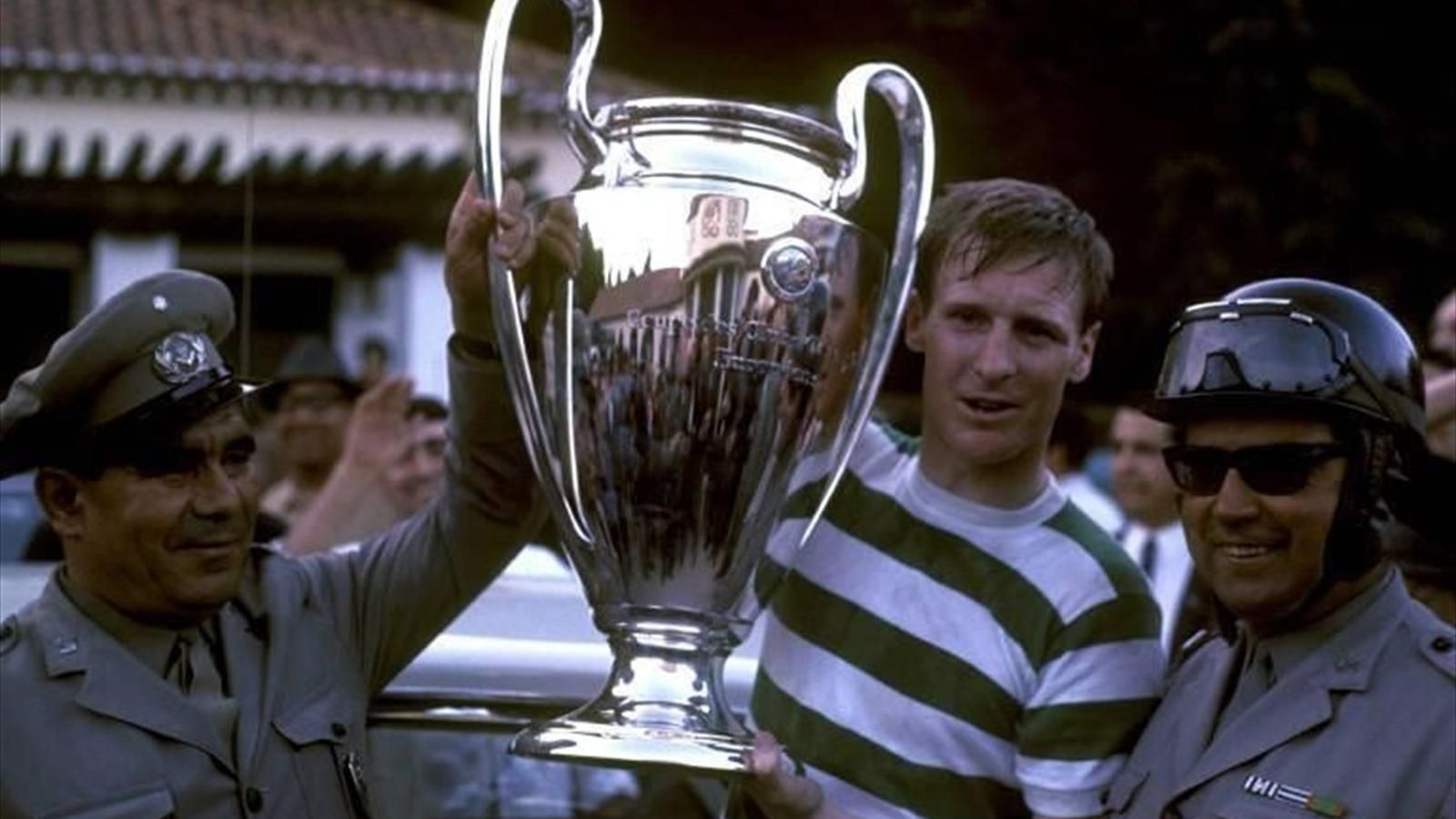
That’s right, throughout the 1920s and 30s there were waves of Poles and Lithuanians emigrating to Scotland to work in Scotland’s mines.
Anyway, I’m assuming you’re a Celtic fan. Perhaps you’re a Jags fan who preferred to make your way to Firhill as a kid. Stopping to get some sustenance at Jaconelli’s… because so much of Scotland’s takeaway food industry can be traced back to Italian immigration.
Something you’ll be aware of if you’ve visited Coia’s Café on Duke Street or you’re a Paolo Nutini fan who insisted on making a pilgrimage to his family’s fish & chip shop in Paisley.

Or if you’re just a chips fan who insisted on pretending to yourself that you were only eating that double sausage supper to out of your appreciation for Paolo Nutini.
Maybe you’re a Rangers fan who used to make your way to Ibrox, in the days when Scottish teams didn’t have foreigners playing for them. If you don’t count the Dane Kai Johansen getting the winner in the 1966 Old Firm Scottish Cup Final or Gerry Neef’s appearances in goals for Rangers.
Arguably, those weren’t Gerry Neef’s most impressive contribution to sport in Scotland though. His daughter, Melanie, was born here and would go on to represent Great Britain in athletics.
Of course, we can all go on a wander down memory lane and use it to prove anything. It’s nothing more than a bit of nostalgia to be enjoyed as you sup on a pint of good, honest, classically Glaswegian St Mungo lager, brewed by West Brewery. Which was set up by an Austrian.
To be fair, Tennent’s would probably be considered the quintessential Scottish pint. And it came from Hugh Tennent visiting Germany in the 1880s to assess and then import the knowledge and technology necessary to start producing lager, a central European style of beer.
Actually, it seems we’ve always had a taste for German beer styles as we’ve been importing German beer to Scotland since medieval times.
I shouldn’t be speaking about this as if I’m breaking the news, because in Scotland the news comes from Sally Magnusson. Magnusson being the family name she got from her father, Magnus Magnusson, the former Chancellor of Glasgow Caledonian University who did so much to promote Scotland. And who was originally from Iceland.
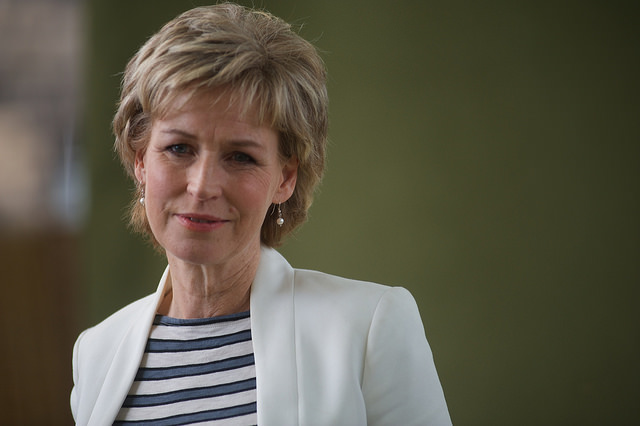
That’s why she doesn’t have an iconically Scottish surname like ‘Sinclair’.
Oh, hang on, no. That’s a Viking origin family name created from the French village of St Claire.
Anyway. If you’re in a pub somewhere then you might just heard a disappointing bit of “What’s with all these Romanians?” chat emanating from a table near you. A reaction to Romanian people suddenly making an impact on Scottish life.
Just so long as you don’t count Ikechi Anya, born in Glasgow in 1988 to a Romanian economist mum and a Nigerian Doctor of Metallurgy father. Ikechi Anya who wears the Scotland shirt with pride and has the nation on the edge of our seats when he runs at full-backs.
He’s a new Scottish hero. A new Scottish icon. A new Bonnie Prince Charlie.
Of course, I’m being facetious. Bonnie Prince Charlie wasn’t half Romanian and half-Nigerian.
No.
Bonnie Prince Charlie was half-Polish.
We’re all Jock Tamson’s bairns and we all belong to Glasgow.
Incidentally, migration involving Scotland is not and never has been a one-way track.
I’ve previously written about the extent and influence of Scottish migration to Poland and Lithuania if you’d like to find out more about that.
Teddy Craig is a retired comedian and Content Manager at The Lane.
Follow him on Twitter. He can be quite funny sometimes.